

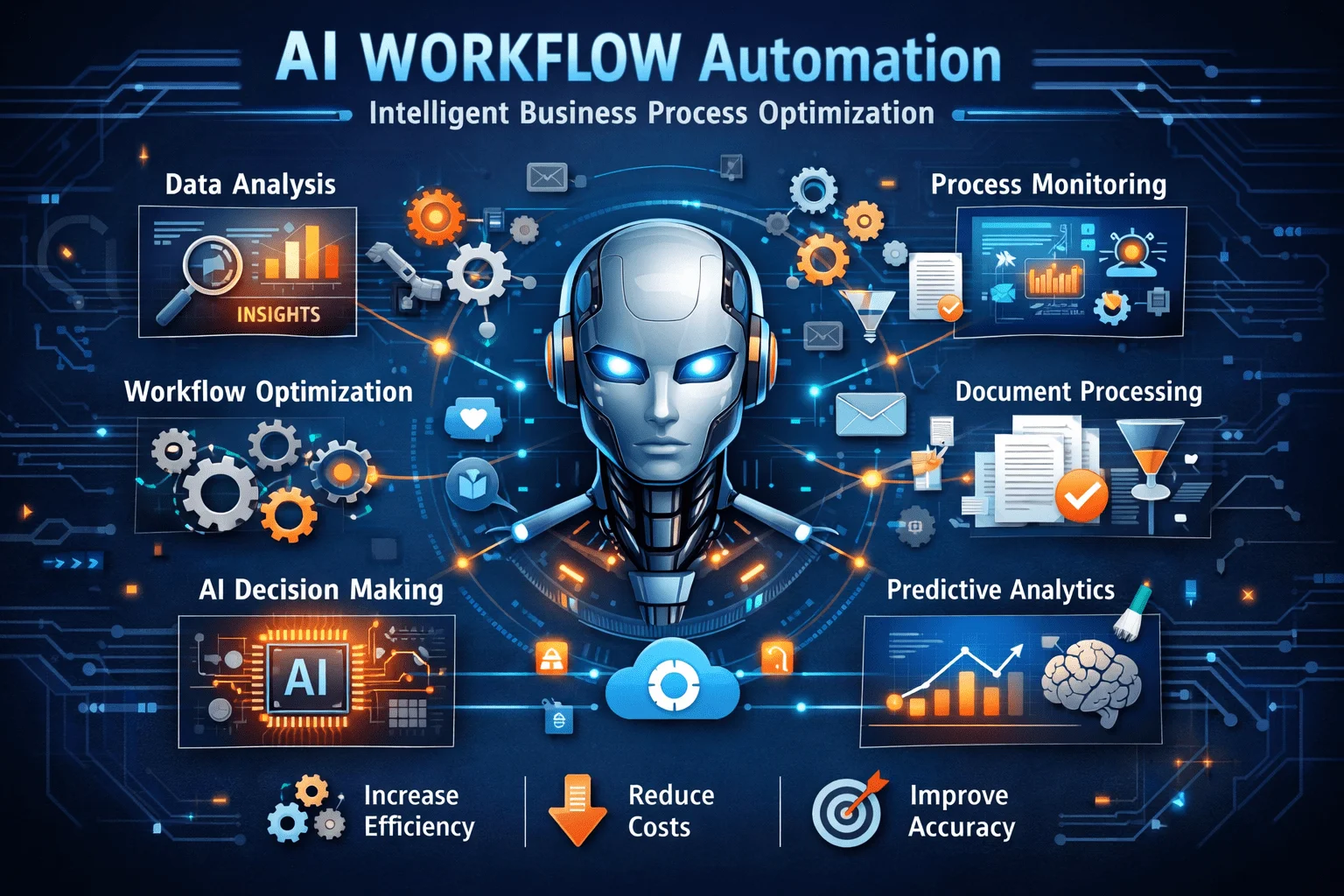
Agentic AI is the buzzword everyone's throwing around in 2026, but most explanations make it sound more complicated than it is. Here's what it actually means for your business, in plain English.
If you've been anywhere near a business podcast, LinkedIn feed, or tech newsletter lately, you've probably heard the term "agentic AI" thrown around like everyone already knows what it means. Most people don't. And honestly, a lot of the explanations out there are more confusing than helpful. So let's fix that.
Here's the simple version: agentic AI refers to AI systems that can take a goal and actually go do something about it — not just answer a question, but plan out steps, use tools, and complete a task with minimal hand-holding. The word "agent" is the key. It's not just responding to you anymore; it's acting on your behalf.
Compare that to the AI most business owners are used to. You type a prompt, you get a paragraph back, and then you're the one who has to go do something with it — copy it into an email, format it into a report, act on the advice. Agentic AI skips a lot of that middle step. You say "follow up with the five leads who haven't responded in a week," and instead of drafting suggestions, it checks your CRM, writes personalized follow-ups, and sends them (or queues them for your approval, depending on how much trust you've built in).
Why is this suddenly such a big deal in 2026? A few reasons. First, the technology has genuinely gotten more reliable — earlier versions of "AI agents" were prone to going off the rails or getting stuck in loops. That's improved a lot. Second, more software is shipping with agents built directly in, rather than businesses needing to build custom tools from scratch. And third, the economics finally make sense for small and mid-sized businesses, not just big enterprises with dedicated AI teams.
For a business owner, this matters in some very concrete ways. Customer support is one of the clearest examples — agentic AI can now handle a full support conversation, check order status, issue a refund within your set rules, and escalate to a human only when something falls outside the guardrails you've defined. Sales and marketing teams are using agents to research leads, personalize outreach at scale, and manage follow-up sequences that used to eat hours of a rep's week. Even back-office work — invoicing, scheduling, basic bookkeeping tasks — is starting to run through agents that just handle it in the background.
Here's the part business owners genuinely need to hear, though: agentic AI isn't a "set it and forget it" solution, and treating it that way is where things go wrong. These systems work best with clear boundaries — what they're allowed to do on their own, and what needs a human sign-off. A support agent that can answer questions is great. A support agent that can approve unlimited refunds with zero oversight is a liability. The businesses getting real value out of this aren't the ones handing over the keys entirely; they're the ones being intentional about where autonomy makes sense and where it doesn't.
If you're deciding whether this is worth your attention right now, the honest answer is yes — but start small. Pick one repetitive, rules-based process in your business, one that eats real time but doesn't require much judgment, and pilot an agent there. Customer FAQs, appointment scheduling, and lead qualification are usually the easiest starting points. Watch how it performs with a human still reviewing the output, then expand from there.
Agentic AI isn't hype for hype's sake. It's a genuine shift in what software can do without you standing over it — and the business owners who understand that early are the ones who'll use it well instead of scrambling to catch up later.




Post a comment