


AI agents aren't just chatbots anymore — they're starting to act like actual teammates who plan, execute, and follow up on tasks. Here's what's really changing at work, and what it means for you.
A few years ago, "AI at work" meant typing a question into a chatbot and copy-pasting the answer somewhere useful. That's not what's happening anymore. In 2026, AI agents are quietly turning into something closer to coworkers than tools — software that doesn't just answer questions, but actually goes off and does the work.
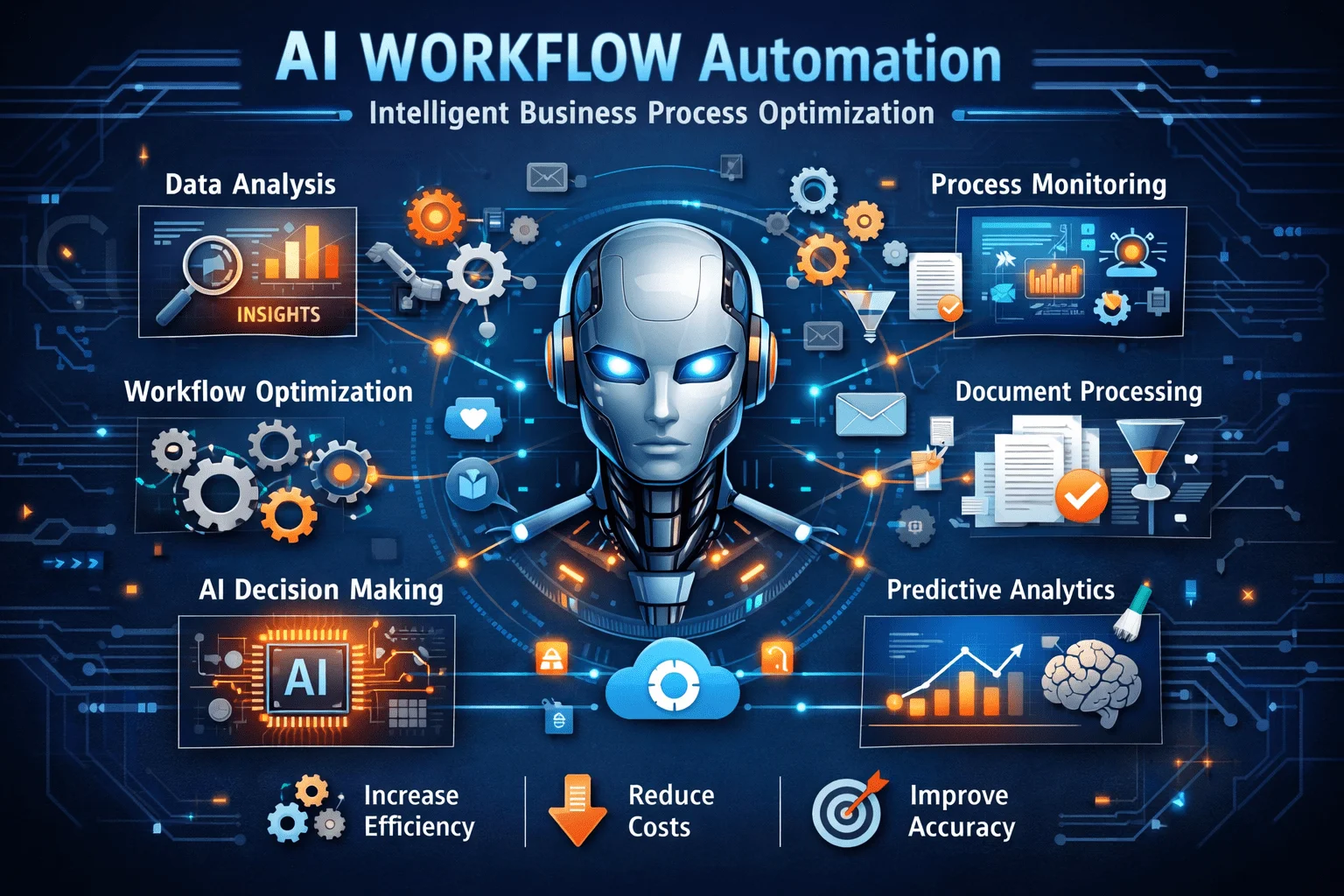
Think about what a good coworker does. They don't wait for step-by-step instructions on every little thing. You give them a goal, and they figure out the in-between steps, check in when something's unclear, and follow through until it's done. That's exactly the shift happening with AI agents right now. Instead of a single chat window, you're getting systems that can open your email, pull data from a spreadsheet, draft a report, schedule a meeting, and loop back to tell you it's finished — all without you babysitting every click.

Microsoft's own AI leadership has been blunt about this: the next wave isn't about AI answering questions faster, it's about AI joining the actual workflow. Analysts are backing that up with numbers too — some research firms expect a huge jump in enterprise software shipping with built-in, task-specific AI agents by the end of this year, up from almost nothing just twelve months ago. That's not a small trend. That's a genuine shift in how software gets used.
So what does this actually look like day to day? For a small business owner, it might mean an agent that monitors your inbox, flags urgent client emails, and drafts replies in your voice — not just suggesting a reply, but sending a version ready for your quick approval. For a marketing team, it could mean an agent that pulls last month's campaign data, builds the report, and drops it into your shared drive before your Monday meeting even starts. For individuals, it's things like an assistant that reorganizes your calendar around your actual priorities instead of just showing you what's already booked.
Of course, this doesn't mean AI is replacing your team. The more accurate way to think about it is delegation, not replacement. You're still the one setting direction, reviewing outcomes, and making the calls that matter. What's changing is how much of the repetitive, connective-tissue work — the scheduling, the drafting, the data pulling, the follow-ups — gets handled without you having to do it manually.
There's a real trust question here too, and it's worth taking seriously. Handing an AI agent access to your inbox or your company's data isn't the same as asking it a trivia question. That's exactly why "human-in-the-loop" design is getting so much attention from AI companies right now — the idea that agents should act with real autonomy, but people should still be able to see what they did and step in when something looks off.
If you run a business or manage a team, the smartest move right now isn't to panic or to blindly automate everything. It's to start small: pick one repetitive task that eats up real time, and see how an AI agent handles it with a person still checking the output. That's how most teams are actually finding value in this shift — not through some dramatic overnight overhaul, but through small, steady handoffs that add up.
The bottom line: AI agents aren't science fiction anymore, and they're not just fancier chatbots either. They're becoming a genuine part of how work gets done — quietly, incrementally, and faster than most people expected.



Post a comment